
Leave Your Message

Blog

How to Choose 304 Seamless Pipe for Your Project?

How to Choose 304 Seamless Pipe for Your Project?

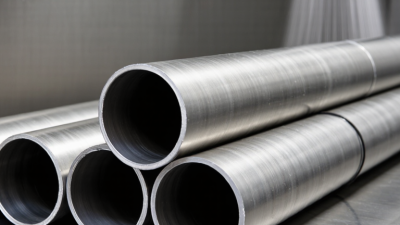
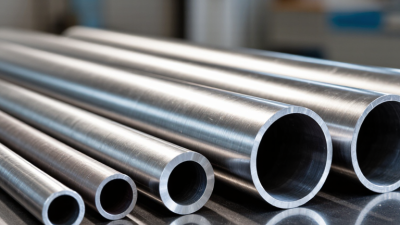
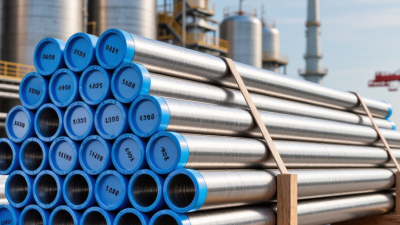
Alright, so picking a 304 seamless pipe isn't just about the price. You've gotta think about what it's actually facing—the fluid, the operating temperature and pressure, the required dimensions, and where it's going to be installed. According to World Stainless, global production of stainless steel in 2023 was 58.4 million tonnes, which is up 4.6% from 2022. That's a massive number, and it shows how widely stainless steel is used. But here's the thing: that doesn't automatically mean every 304 pipe is right for every project. The specifics really matter, and if you overlook them, you might end up with a costly mistake. So, you're looking at a Stainless Steel 304 Seamless Pipe, right? It doesn't have any weld seam along its length—that's what 'seamless' actually means. But here's the thing: just because it's seamless doesn't automatically mean it's the right fit for your project. You've got to dig a little deeper. Check the specified grade, the outside diameter, the wall thickness, which manufacturing standard it meets, and whether it's been heat-treated properly. Those details really matter, trust me. When it comes to austenitic stainless steel pipe, ASTM A312/A312M is pretty much the go-to spec. But hey, before you dive in, you'll want to double-check the exact edition and what your project really calls for—your engineer or supplier can fill you in on that. And don't just take their word for it, either; ask for the material test certificates, traceability details, and dimensional inspection records. It's all about having a solid paper trail, you know? That way, you can connect the dots between the pipe that shows up on site and the one you actually specified. No surprises later on. You know, it's really easy to miss something important here. I mean, when you're looking at a supplier's technical data, you've got to actually compare it with the real-world environment where the material will be used—especially if there are chlorides, cleaning chemicals, or any kind of temperature swings. If the spec seems a bit vague, don't just brush it off—ask for clarification. It's not something that happens automatically, you know? A shiny surface or a familiar grade number might look reassuring, but that's no substitute for actually reviewing how it'll be applied in practice. Okay, so this intro basically walks you through a pretty practical way to pick a supplier. You define what you need, check their standards and paperwork, then size up whether they can actually deliver—only after all that do you compare quotes. Sure, being careful takes more time, but honestly, it beats ending up with a costly mismatch down the road.
Read more »
Ethan By:Ethan - November 13, 2026
Why Choose Stainless Steel Tubing for Your Project?

Why Choose Stainless Steel Tubing for Your Project?

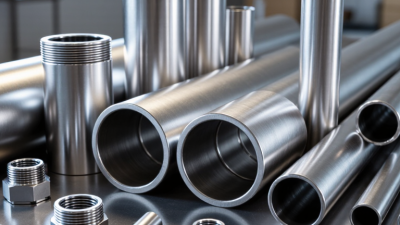
When you're choosing stainless steel tubing, it can actually make or break your project's reliability down the road. I mean, it's the stuff that carries fluids, protects your instruments, and keeps equipment running in tough conditions. Think about a small tube tucked under a washdown line – the grade, the weld quality, and even the surface finish might matter way more than just how it looks. Stainless steel gets a lot of praise for being corrosion-resistant, tough, and easy to clean – and sure, it's great stuff. But here's the thing: how it actually performs really depends on what you throw at it. Chloride exposure, high heat, standing liquids, or even tight crevices can completely change the game. The market is pretty big, honestly. If you look at the World Stainless Association’s *Stainless Steel in Figures 2024*, global production hit 58.4 million metric tonnes back in 2023. And sure, that number shows stainless steel is everywhere in industry—but it doesn't automatically mean it's the right fit for every single project. Not quite. You actually have to think about what you're working with: the fluid itself, operating temperature, pressure, how you're fabricating it, and what the maintenance plan looks like. It takes a bit of homework. For instance, take a pipe that's always getting hit with that salty sea spray – yeah, it'll need a totally different spec than the one running clean water inside your house. It's the little details that end up mattering most, you know? Look, a sound choice really starts with the product spec, dimensional tolerances, and any documented test requirements – those have to match your design and also line up with the supplier's traceability records. Sure, a cheaper price tag might catch your eye, but then you've got to factor in replacements, downtime, and cleaning – that's where the real cost sneaks up on you. And honestly, stainless steel isn't a universal fix – you've got to double-check your assumptions before you commit. So, in this guide, we're going to dig into where stainless steel tubing actually proves its worth, what you should be checking out before you pull the trigger on an order, and the sort of trade-offs that engineers and buyers really need to talk through before they sign off.
Read more »
Ethan By:Ethan - November 9, 2026
What Are the Top Types of Stainless Steel Tubing in 2026?

What Are the Top Types of Stainless Steel Tubing in 2026?

Honestly, when you're picking stainless steel tubing in 2026, it's not about chasing some elusive 'best' grade. It's really about figuring out which material, manufacturing method, and service conditions actually fit your needs. And hey, just to give you a sense of where we're at—the World Stainless Association's latest report shows global crude production hit around 58.4 million tonnes back in 2023. That's a lot of steel, right? That figure actually covers the entire material market—not just tubing, you know? But it really puts today’s choices into perspective. And here’s the thing: even the smallest differences can end up making a huge impact. Alright, so this guide is all about comparing the usual tubing choices you'll come across. We're talking austenitic grades like 304 and 316, ferritic ones like 409 and 430, duplex 2205, and those precipitation-hardening alloys. But here's the kicker: we also want to clear up a common mix-up. The grade of stainless steel is one thing, but how it's made—seamless or welded—that's a manufacturing process, not a different family of steel. Take ASTM A312, for instance. It covers seamless, welded, and heavily cold-worked austenitic stainless steel pipe. But here’s the thing: you can’t just assume every tube falls under that spec. Buyers really need to double-check the exact product specification. It’s an easy distinction to miss, honestly. Picking the right tube isn't just about grabbing a spec sheet – it depends on a bunch of things like corrosion exposure, temperature, pressure, how you're going to fabricate it, and of course cost. For instance, if you're dealing with chlorides, 316 often beats 304, and when things get really tough, duplex 2205 might give you that extra strength. But here's the catch: just because it's got a fancy grade number doesn't mean it'll perform well if you don't design and fabricate it properly. In this piece, we'll dive into where each type shines, what trade-offs you should watch out for, and the key questions to ask suppliers before you commit to a specific tubing. Look, data and standards are great to get you going, but honestly, they're not a substitute for sitting down and doing a real engineering review for your specific application. You know, it's like a starting point, not the whole story.
Read more »
Ethan By:Ethan - November 4, 2026
How to Choose the Right Stainless Steel Pipe?

How to Choose the Right Stainless Steel Pipe?

When you’re picking out a stainless steel pipe, you can’t just wing it—you’ve got to think about what’s going through it and where it’ll be working. A pipe carrying clean water, for instance, has pretty different needs than one that’s constantly dealing with salt spray, cleaning chemicals, or high heat. So the “right” pipe really depends on the fluid, the operating pressure, the temperature range, how it’s going to be installed, and how long you need it to hold up. Honestly, there isn’t one single grade that’s going to fit every job out there. People often reach for 304 stainless for everyday jobs, and sure, it works fine. But if chlorides are involved—think coastal or chemical environments—316 is the better bet because it handles that exposure much better. Still, the grade isn’t the whole story. You’ve also got pipe diameter, wall thickness, how it’s manufactured, and what kind of connections you’re using. A thinner wall can save weight, which is nice, but it still needs to handle the pressure and mechanical loads the project demands. That’s the part that’s easy to overlook. Honestly, the spec sheet is your friend here—it lays out dimensions, material grade, and the manufacturing standards that apply. Don't just take the product label at face value—ask suppliers for traceable documentation and double-check the actual requirements. And when it's a critical system, get a qualified engineer to review the selection against the design conditions and applicable standards. Because honestly, details matter. Look, some decisions come down to trade-offs. You might pay more for a pipe that resists corrosion better, or go with a cheaper one that might not last as long in a tough environment. And honestly, that cost estimate can be totally off if you don't factor in maintenance or how it'll actually be installed. So before you order, take a step back and look at the whole picture. This guide walks you through the practical stuff to keep in mind—so you can compare options, ask better questions, and pick a stainless steel pipe that actually fits what you need it to do.
Read more »
Ethan By:Ethan - October 31, 2026
Top Hot Rolled Stainless Steel Pipe Suppliers?

Top Hot Rolled Stainless Steel Pipe Suppliers?

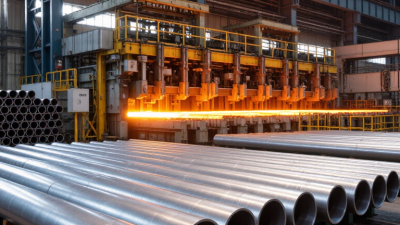
When you're looking for a Hot Rolled Stainless Steel Pipe supplier you can actually trust, it takes more than just comparing prices. You really need to look into their manufacturing experience, steel grades, dimensions, surface quality, and delivery track record. A fancy website doesn't prove much, honestly. What really counts is what you see in the factory. Metallurgical engineer Dr. J. R. Davis makes a fair point: “Corrosion resistance depends on the environment, the alloy, and the surface condition.” That’s actually a pretty solid rule to keep in mind when you’re weighing different suppliers. Sure, Outokumpu, Acerinox, Jindal Stainless, and Sandvik each have their own strengths—whether it’s production, processing, or getting product around the world. But a well-known name doesn’t automatically mean their pipe is the right fit for every project. So look closely. So, when you're sizing up a supplier, you really want to make sure they're going to hand over the important paperwork—like traceable material certificates, heat numbers, dimensional inspection reports, and they should be upfront about their testing standards. And here's a question worth asking: is that hot rolled stainless steel pipe made to ASTM A312, A358, EN 10217, or some other spec? Honestly, the right standard really depends on your specific needs—how much pressure it'll be under, the temperature, whether corrosion is a concern, and how you plan to fabricate it. Look, real project experience counts for a lot. A supplier who truly understands welding distortion, oxide scale, pickling, and post-rolling inspection can save you from costly delays down the line. That said, nobody's perfect. Even the most experienced manufacturers run into production hiccups—especially when you're dealing with large diameters or tough surface requirements. And that's exactly where honest communication becomes so important. Honestly, the best suppliers don’t pretend everything’s perfect. They’re upfront about their limitations—no vague promises or fluff. They’ll actually show you sample reports, inspection procedures, production photos, and even point you to references from similar industries. Price obviously matters, but if a quote comes in suspiciously low, that might be a red flag: maybe their documentation’s thin, or their raw material controls aren’t so solid. So when you’re evaluating, try to look at the whole picture—connect the technical evidence with how they’d actually serve you day to day. That’s exactly what this guide is for.
Read more »
Sophie By:Sophie - October 28, 2026
How to Choose 304 Stainless Coil in 2026?

How to Choose 304 Stainless Coil in 2026?

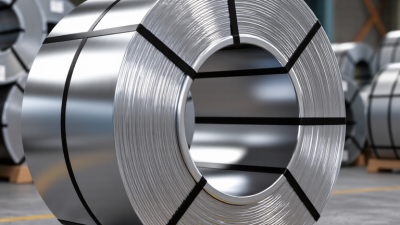
So, when you're picking out the right 304 Stainless Coil for 2026, it’s not just about who’s offering the lowest price per ton. That’s only part of the picture. You’ve also got to look at things like chemistry, mechanical properties, surface finish, tolerances, and whether the supplier can actually deliver on time. And just to put the market size in perspective: the International Stainless Steel Forum said global stainless crude production hit about 58.4 million tonnes back in 2023. That tells you demand is definitely there—but it also means suppliers can vary a lot more than you’d think. If you want to pick the right material, it really helps to start with specs people actually recognize. Take ASTM A240/A240M — it lays out what's required for chromium-nickel stainless steel plate, sheet, and strip. And for a lot of 304 Stainless Steel Coil applications, what matters most is steady corrosion resistance, predictable forming, and welds that come out clean. Before you go any further, ask for the mill test certificate, heat number, thickness tolerance, coil weight, and surface designation. Then cross-check that certificate against the independent PMI testing. Even small mismatches can end up costing you big time once stamping or slitting starts. And don’t just trust the paperwork—take a good look at the coil itself. Under warehouse lighting, a bright 2B surface should look consistent and uniform. The edges shouldn’t have deep burrs, cracks, or any handling damage. Also, double-check the inner diameter before you load it onto any equipment. Trust me, it matters. Nickel prices, energy costs, and regional supply conditions can all move fast in 2026. The World Bank's commodity outlooks are a useful way for buyers to get a handle on broader metal-cost risks, but they're no substitute for checking suppliers yourself. A really low quote might be hiding longer lead times or flatness that just isn't consistent. And honestly? That's a pretty common mistake. From what I've seen, it's smart to lean on at least two reliable sources and actually compare recent production records. That said, no checklist is ever going to be perfect. You still need supplier audits, traceability checks, and sample trials. So when you pick a 304 Stainless Coil supplier, go with one that proves consistency — not just talks a good game.
Read more »
Ethan By:Ethan - October 24, 2026
Top 10 Stainless Steel Square Tube Stock Suppliers?

Top 10 Stainless Steel Square Tube Stock Suppliers?

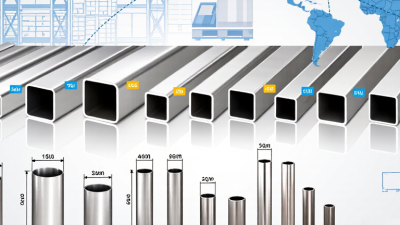
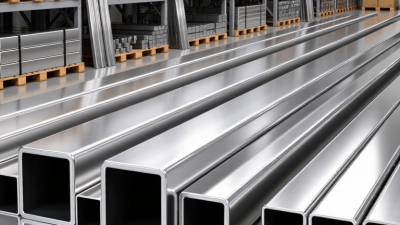
Choosing reliable Stainless Steel Square Tube Stock suppliers requires more than comparing online prices. Buyers must examine material grades, wall thickness, outside dimensions, finish, tolerances, and available lengths. A polished product page is not enough. Real purchasing decisions depend on traceability, technical support, inventory accuracy, and delivery performance. This guide reviews ten established suppliers, including Ryerson, Kloeckner Metals, TW Metals, Metal Supermarkets, OnlineMetals, Penn Stainless, and Continental Steel & Tube. The selection considers product range, grade availability, certification practices, fabrication services, and customer experience. Where possible, buyers should request mill test reports and confirm ASTM requirements before placing an order. Details matter. A strong supplier should explain whether tubing is welded or seamless. It should also clarify surface condition, cutting options, packaging, and minimum order quantities. Stock can change quickly. That is easy to overlook. Regional warehouses may offer faster delivery, while specialized distributors may provide deeper technical knowledge. Neither option is automatically better. This comparison is designed for fabricators, maintenance teams, engineers, and purchasing managers. It combines practical buying considerations with publicly available supplier information. Still, no ranking remains perfect for every project. A supplier serving architectural work may not suit pressure-related applications. Buyers should verify current certifications, pricing, and lead times directly. That final check is essential.
Read more »
Emily By:Emily - October 20, 2026
China Best Stainless Steel Tube Manufacturer?

China Best Stainless Steel Tube Manufacturer?

Finding the best Stainless Steel Tube manufacturer in China? It takes a lot more than just comparing prices online. You've got to look at things like production experience, how they control materials, what testing methods they use, and whether their delivery record holds up. A slick website? Honestly, that doesn't prove much. What matters is what's actually happening in the factory. Take established manufacturers like Jiangsu Shengtian New Material Co., Ltd. They may be able to support projects with different stainless steel grades, welded or seamless options, and custom dimensions. Still, don't just take their word for it—verify every claim yourself. Ask for mill test certificates, chemical analysis, mechanical test results, and surface inspection records. And check whether those documents match the supplied heat number. It sounds small, but details like that can save you from costly failures later. A reliable Stainless Steel Tube supplier should know ASTM, ASME, EN, and other relevant specs. Their engineers should be able to explain tolerances, wall thickness, corrosion resistance, and application limits in plain terms. Look for traceable production steps, from billet or coil selection all the way to final packing. If the project is critical, visit the facility. A video call helps, sure, but it's not the same as seeing calibration records and inspection equipment with your own eyes. No supplier is perfect. Even experienced factories can run into delays, spec misunderstandings, or packaging damage. So this guide is really about evidence, communication, and practical risk control. Compare samples before placing large orders. Test them when you need to. The lowest quote may not give you the lowest total cost. Consistent quality, responsive technical support, and honest documentation usually build stronger long-term value. And that's the real standard.
Read more »
Sophie By:Sophie - October 16, 2026
How to Choose the Right 304 Seamless Pipe Supplier?

How to Choose the Right 304 Seamless Pipe Supplier?

Picking the right supplier for 304 Seamless Pipe isn't just about lining up prices in a spreadsheet. Not even close. The supplier needs to actually understand what you're doing—your application, dimensions, operating temperature, and any regulatory requirements. A pipe headed into food processing isn't facing the same demands as one going into a chemical plant. Those small details? They matter. Look for documented experience with Stainless Steel 304 Seamless Pipe. Ask for material test certificates, heat numbers, chemical composition, and mechanical results. A reliable supplier should be able to explain how they control wall thickness, surface finish, ovality, and straightness. They should also hand over clear inspection records—hydrostatic testing or non-destructive testing when it's required. And yes, request samples. Actually request them. A professional supplier will pin down the relevant standard—say ASTM A312 or EN 10216-5—before sending a quote. That quote should spell out outside diameter, wall thickness, length tolerance, finish, packaging, and delivery terms. Vague descriptions are just avoidable risk. Traceability matters just as much. Every bundle should link back to production records and inspection documents. An on-site audit can tell you a lot. Check storage conditions, marking quality, welding-free production controls, and packing protection. If you see rust stains, mixed heat numbers, or damaged end caps, ask questions. A polished website doesn't prove anything. We've seen attractive promises fall apart when lead times shifted or certificates showed up late. The cheapest supplier isn't always the lowest total cost. Think about rejected material, installation delays, replacement freight—it adds up. Choose a partner who's honest about limitations and fixes mistakes quickly. That's not always easy to find. But it's still the standard worth chasing.
Read more »
Ethan By:Ethan - October 11, 2026
How to Choose 321 Stainless Pipe for Global Projects?

How to Choose 321 Stainless Pipe for Global Projects?

Picking 321 stainless pipe for a project that spans borders? It’s not just about who quoted the lowest mill price. Things like temperature, corrosion exposure, how the crew welds, shipping distance, and certification all shape how it ends up performing. A pipe that’s fine in a dry chemical plant can run into trouble near coastal salt, under repeated thermal cycling, or when insulation gets contaminated. For scale, World Stainless put 2023 stainless steel production at roughly 58.4 million tonnes. That tells you just how big and competitive the supply market is. The U.S. Geological Survey also pointed to strong global nickel production and the industry’s ongoing reliance on international raw-material networks in its Mineral Commodity Summaries 2024. Those numbers matter because nickel pricing, regional capacity, and logistics can all swing 321 Stainless Steel Pipe availability. But stats alone? They can’t replace technical verification. A. J. Sedriks, a well-known stainless-steel corrosion specialist, once wrote, ‘The corrosion resistance of stainless steels is due to a thin, invisible, tightly adherent, and self-healing oxide film.’ That idea is a good reason to choose alloys carefully, but it doesn’t promise performance in every service environment. 321 Stainless Pipe uses titanium stabilization to lower the risk of chromium-carbide precipitation after heating. Even so, welding quality, heat input, surface contamination, and post-fabrication cleaning are still huge factors. A spreadsheet can definitely lead you the wrong way. This guide looks at ASTM A312 compliance, ASME project requirements, operating temperature, pressure class, inspection records, and supplier traceability. It also gets into practical stuff like heat numbers on each bundle, capped ends, moisture protection, and mill test certificates. Some buyers get a little too focused on alloy chemistry. That assumption is worth testing. The best choice balances documented performance, regional support, realistic lead times, and what actually happens if the part fails.
Read more »
Ethan By:Ethan - October 7, 2026
Why Choose SS 321 Seamless Pipe for Global Sourcing?

Why Choose SS 321 Seamless Pipe for Global Sourcing?

When it comes to global sourcing, buyers often lean toward Ss 321 Seamless Pipe especially if they need something that can handle heat, resist corrosion, and stay reliable in terms of size and shape. This stabilized austenitic stainless steel includes titanium, which is like a safety net—helping to cut down on chromium carbide buildup after repeated heating cycles. That makes it a solid choice for applications like chemical processing, thermal equipment, exhaust systems, and high-temperature pipelines. But here’s the thing—making the right sourcing decision isn’t just about a shiny product description. Engineers really need to dig into details like operating temperature, pressure, the chemistry of the fluids involved, wall thickness, and how the parts are joined before swinging the approval. Seamless pipes are great because they reduce worries about weld defects, but hey, they’re not perfect. You still gotta keep an eye on surface flaws, dimensional consistency, and whether the heat treatment was up to snuff. No material is totally flawless, right? Most experienced buyers will ask for chemical analysis reports, mechanical test results, heat numbers, and records that they can trace back. The documents should match the standards you agree on—like ASTM A312 or something else relevant. When the stakes are high—like large shipments or critical operating conditions—getting an independent inspection can really boost your confidence. Sometimes, those extra eyes catch things that paperwork alone just can’t reveal. And don’t forget, when you’re sourcing globally, who makes the stuff matters just as much as what you’re actually buying. A trustworthy supplier will clearly explain their production processes, ultrasonic and hydrostatic testing, how they package the products, and how they handle shipping for export. Little details, like protective caps, dry packaging, or wooden supports, can make all the difference in avoiding damage during transport. It’s those small things that often matter the most. While Ss 321 Seamless Pipe can definitely offer good value over the long haul, it’s really about making sure the grade fits your specific needs. Comparing costs shouldn’t just be about the price tag—consider inspection fees, shipping, installation, ongoing maintenance, and potential replacement costs too. A cheaper quote now might actually turn into expensive trouble later, so don’t fall into that trap. Taking the time for a thorough technical review helps ensure you’re making a smart, reliable decision in the end.
Read more »
Ethan By:Ethan - October 2, 2026
Top 10 9mm Stainless Steel Tube Manufacturers Worldwide

Top 10 9mm Stainless Steel Tube Manufacturers Worldwide

A 9mm stainless steel tube might seem straightforward when you're looking at a drawing, but tiny differences in specs can make a big difference. So, when they say '9mm,' is that the outside diameter, inside diameter, or some other dimension? It’s really worth double-checking with each supplier before you start comparing options. Things like wall thickness, stainless steel grade, tolerances, surface finish, and the length they can deliver all play a role in figuring out if a tube will work for your project. In this guide, I’ve gathered info on ten manufacturers that serve markets all over the world. Think of this as a starting point — not a ranking. Company sizes, product ranges, and availability can shift pretty quickly, so it's always best to get the latest details directly from each supplier. Don’t be shy about asking for technical specs, dimensional tolerances, material certifications, or even samples. Also, find out how they handle traceability and inspections — those little details can be more important than glossy catalog pics. Here’s the thing: there’s no one perfect supplier for every job. A small order of tubing might need a different approach compared to a big, ongoing industrial purchase. And even when you’ve got a clear spec, questions can pop up — that’s totally normal. Use the profiles here to compare their expertise, manufacturing capabilities, quality standards, and customer support. Then, match each one against what you actually need. If some info isn’t crystal clear, don’t just assume — ask for clarification. Doing a thorough comparison helps you narrow down your options, but the final decision should always be based on confirmed specs and a practical, hands-on evaluation. Hope this helps you better understand what to look out for. Good luck with your project!
Read more »
Emily By:Emily - September 27, 2026
2026 Top Stainless Steel Square Tube Stock Suppliers?

2026 Top Stainless Steel Square Tube Stock Suppliers?

Finding the right supplier for Stainless Steel Square Tube Stock in 2026 isn’t just about comparing prices online. You’ve gotta dig a little deeper—look for consistent sizes, verified alloy grades, and reliable delivery records. Having a fancy website isn’t enough to guarantee quality. This guide will walk you through what really matters when choosing suppliers. We’re talking about availability of 304 and 316 stainless steel, how precise they are with wall thickness, the surface finish, how accurate their cutting is, and minimum order quantities. Good suppliers should provide things like mill test certificates, heat numbers, inspection reports, and detailed product specs. It’s also important they follow industry standards—like ASTM A554, when relevant—to ensure everything’s traceable. And don’t forget about delivery performance. A solid supplier takes care of their tubes—using proper wrapping, dry storage, and sturdy pallets—so they don’t get scratched, stained by moisture, or damaged during transit. Before placing large orders, you’ll want to check their production capacity, export experience, return policies, and tech support. Those small details can save you from costly delays down the line. Of course, no supplier is perfect. Market conditions change all the time. Today’s hot stock might be out of stock tomorrow. Keep that in mind. The best choice really depends on your project size, the grade you need, tolerances, finish quality, and where the product’s headed. Experienced buyers get quotes from several suppliers and ask for recent proof of their claims—no just promises. They also test how well customer service handles complicated specs—that’s often a good indicator of reliability. This overview highlights some of the top Stainless Steel Square Tube Stock suppliers, based on real evidence—like product range, manufacturing credibility, and service quality. It’s aimed to help engineers, fabricators, distributors, and purchasing teams make smarter decisions in 2026. Just remember to verify every key detail before you buy—that’s what really counts.
Read more »
Sophie By:Sophie - September 22, 2026
2026 Best Hot Rolled Stainless Steel Pipe Suppliers

2026 Best Hot Rolled Stainless Steel Pipe Suppliers

Picking the right supplier really matters, especially when your project relies on things like pressure resistance, clean welds, and consistent delivery. You’ve probably come across Hot Rolled Stainless Steel Pipe—it's often the go-to choice for tough industrial applications like chemical processing, energy, construction, and water systems. But keep in mind, its performance isn’t just about the stainless grade; many other factors come into play. Dr. George Krauss, a well-respected metallurgist, hits the nail on the head when he says, “The properties of steel are determined by its processing history.” That’s a good mindset to have when you're reviewing suppliers. Reliable companies should be transparent about how they roll their steel, heat treatments, surface finishes, and tolerance controls. They should also be ready to share comprehensive mill test certificates and traceability info like heat numbers. Depending on your needs, standards like ASTM A312, ASTM A358, and others could be pretty important. It pays to look a little deeper. Top-notch suppliers usually offer a range of options like 304, 304L, 316, and 316L. They should also be comfortable with third-party inspections, ultrasonic testing, and detailed chemical analyses. Honestly, a fancy website isn’t everything — more telling are their factory capacity, experience with exports, how they handle packaging, and how quickly they respond to inquiries. This guide is here to help you compare leading hot rolled stainless steel pipe suppliers based on real-world purchasing needs. Things like product consistency, certifications, customization options, minimum order sizes, on-time delivery, and after-sales support really matter. Price is definitely a factor — but keep an eye out: the lowest quote might hide rework, surface flaws, or tolerances that aren’t up to scratch. No single supplier is perfect, and performance can vary depending on the region, batch, or what the project demands. Always check their current certificates, production capacity, and references before you commit. Remember, the biggest company isn’t always the best choice. At the end of the day, it’s about finding a supplier who can reliably deliver the right pipe, backed up with clear info, proof, and solid technical support.
Read more »
Emily By:Emily - September 18, 2026
Why Choose 321 Stainless Steel Pipe for Global Buyers?

Why Choose 321 Stainless Steel Pipe for Global Buyers?

So, why should global buyers consider 321 stainless steel pipe in particular? Well, these days, folks all over the world are rethinking their choice of pipe materials because energy, chemical processing, and aerospace projects need pipes that can last longer without issues. Did you know that, according to the World Stainless 2023 stats, about 58.4 million tonnes of crude stainless steel are produced worldwide? That’s a hefty number, showing a really solid industrial foundation. But here’s the kicker: that doesn’t directly tell us much about how much 321 Pipe is actually in demand. It’s a subtle point, but it really matters. Now, speaking of 321 Stainless Steel Pipe—it’s got titanium added to it, which is like a little boost that helps keep the carbon stable during welding and when exposed to high temperatures. That makes it pretty useful in things like exhaust manifolds, furnace parts, heat exchangers, and process piping. Dr. J. R. Davis, who’s the editor of ASM’s Specialty Handbook on Stainless Steels, points out that “Titanium stabilization improves resistance to intergranular corrosion after welding.” But, hey, before you go all in, make sure to check the material certification, heat number, dimensions, and testing records. Because honestly, good quality always starts with solid proof. The Nickel Institute also points out that choosing the right stainless steel isn’t just about the material—it depends on temperature, corrosion conditions, how easy it is to work with, and how much maintenance it needs. Meanwhile, market analysts like Grand View Research say energy, construction, and industrial equipment are some of the big areas using stainless steel right now. These reports give us a good idea of market trends, but they don’t mean every supplier is selling the same quality. No grade of stainless steel is perfect—bad welding, chloride exposure, or poor surface finishing can seriously cut down its lifespan. For global procurement teams, 321 Pipe is a pretty smart choice—it strikes a good balance between heat resistance, weldability, and durability. But let’s be honest, experienced buyers aren’t just looking at fancy brochures. They’ll compare ASTM specs, pressure ratings, delivery histories, and independent inspection reports. In the end, the safest route isn’t just going on what a brochure says; it’s about mixing solid technical data with verified manufacturing background to make the right call.
Read more »
Ethan By:Ethan - September 14, 2026